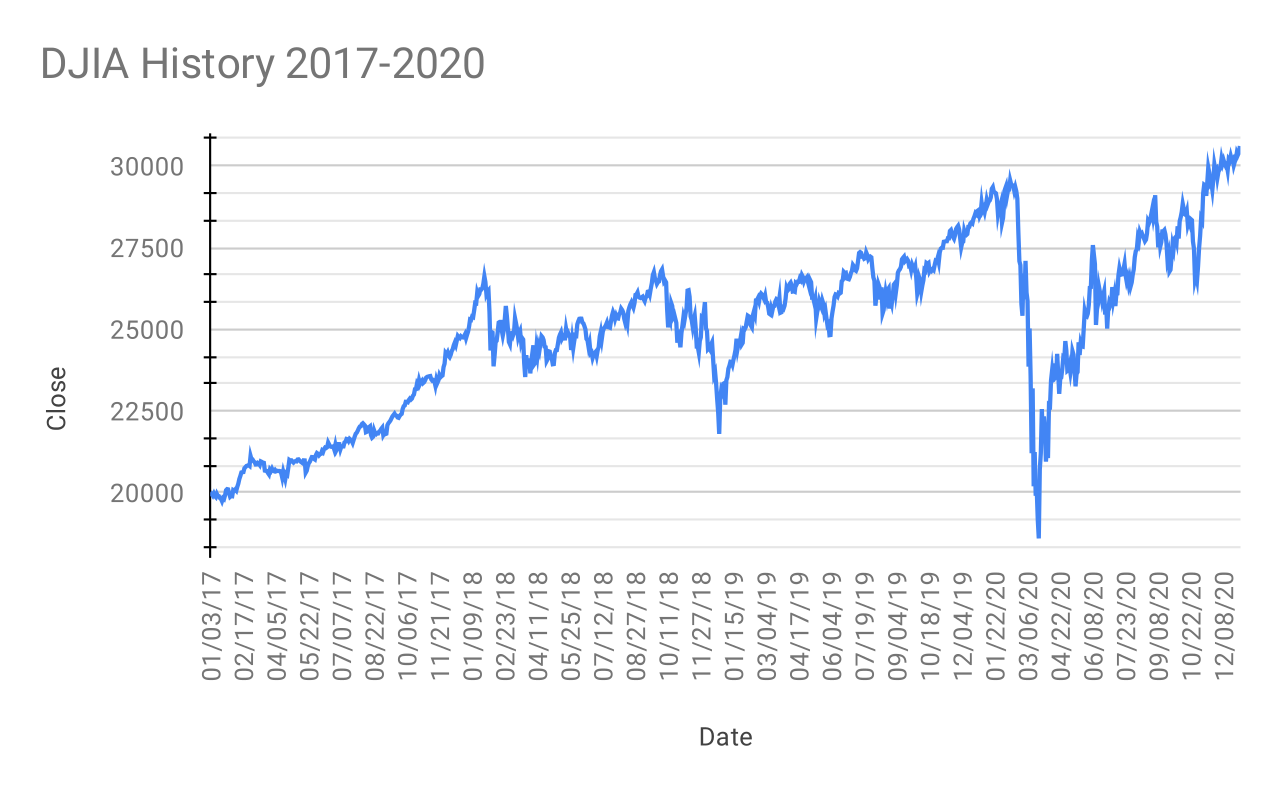
The phrase "gradually and then suddenly," famously used by Ernest Hemingway to describe bankruptcy, perfectly encapsulates the nature of a stock market crash. While financial markets are constantly in motion, absorbing countless shocks and adjustments, certain seismic events can trigger an abrupt and widespread panic among investors, leading to a precipitous decline in asset values. Understanding the dynamics of such an event—its underlying causes, the speed at which it unfolds, and the intensity of its impact—is crucial for anyone navigating the complexities of the global economy.
A stock market crash is more than just a bad day on Wall Street; it's a dramatic and often terrifying phenomenon where a broad market index experiences a sudden and severe drop, typically a double-digit percentage loss (10% or more) over just a few trading sessions. Unlike routine market corrections, which are often orderly recalibrations, crashes are distinguished by their extraordinary velocity and severity, initiating a domino effect of selling that can ripple throughout the entire financial ecosystem and potentially trigger broader economic slowdowns.
Understanding the Anatomy of a Stock Market Crash
At its core, a stock market crash represents a swift and sharp erosion of equity values, often unfolding within days or weeks. This isn't merely a statistical anomaly; it signifies a fundamental shift in market sentiment, transforming optimism into palpable fear and prompting widespread disinvestment. Major indexes, such as the S&P 500 or the Dow Jones Industrial Average, become barometers of this dramatic downturn, reflecting a collective rush for the exits.
History shows that every significant market collapse is characterized by the unfortunate convergence of an unexpected trigger event with pre-existing, often hidden, market vulnerabilities. It's rarely a singular factor that brings the market to its knees. Instead, it’s the intersection of multiple weaknesses—perhaps excessive speculation, burgeoning debt, or an overstretched valuation—that are ruthlessly exposed by a sudden shock to the system. This shock might be a piece of disappointing economic data, the bankruptcy of a major corporation, or a global crisis. The catalyst itself might have appeared before without significant consequence, but this particular instance resonates differently, signaling deeper, structural troubles within the market’s foundation.
The Recognizable Phases of a Market Collapse
Despite the unique circumstances surrounding each event, most market crashes tend to follow a discernible pattern. Think of it as a line of dominoes: a catalyst initiates an initial wave of selling, setting in motion a sequence of predictable phases:
- The Initial Shock and Sharp Decline: This is the moment the market first reacts to the trigger. Prices fall dramatically as the first wave of investors, often institutional or algorithmic traders, rapidly shed their holdings.
- A Period of Intense Selling and Volatility: Following the initial drop, the market enters a turbulent phase. Here, a "selling spiral" takes hold. The fear of further losses becomes a self-fulfilling prophecy: more selling leads to lower prices, which in turn prompts even more selling. This can be exacerbated by margin calls and forced liquidation. During this period, extreme volatility is common; daily swings are large, and prices may attempt to stabilize or even rebound briefly. This could be likened to a "denial stage" where some opportunistic investors or those with a long-term view attempt to buy the dip, believing the bottom is in. However, these buying pressures are often insufficient to stem the tide of panic.
- A Bottom Formation Process: Eventually, the intense selling pressure subsides. This doesn't mean an immediate recovery; rather, the market enters a stabilization phase where it attempts to find a true bottom. This process can be lengthy, lasting weeks or even months, characterized by lower trading volumes and a gradual restoration of confidence before a sustained recovery can begin.
Velocity and Severity: What Makes a Crash Different?
The defining characteristics that elevate a severe market downturn to the status of a stock market crash are its sheer velocity and devastating severity. Unlike typical market corrections, which involve gradual adjustments to stock prices as new information is digested, a crash is marked by a sudden, precipitous freefall driven primarily by widespread panic selling. Investors, gripped by the fear of impending losses, rush to liquidate their positions en masse, often disregarding fundamental valuations or long-term prospects.
This rush creates a dangerous feedback loop, a self-fulfilling spiral that accelerates the decline. As more investors sell, prices drop further, intensifying the fear and prompting even more selling. This emotional contagion overwhelms rational analysis, turning individual decisions into a collective stampede. While some seasoned traders might see opportunities in the falling prices, the sheer volume of sell orders typically overwhelms any nascent buying pressure. For long-term investors, particularly the American middle class relying on 401(k)s and retirement accounts, the rapid erosion of wealth can be particularly distressing. Many find themselves unable to withstand the prolonged uncertainty and significant paper losses, leading to difficult decisions about their financial future.
Global Triggers: Geopolitics, Oil Shocks, and Interconnectedness
In our increasingly globalized world, a stock market crash can often be ignited by events far beyond a nation's borders, demonstrating the profound interconnectedness of financial systems. Recent history provides stark examples where geopolitical tensions and commodity price surges have sent shockwaves across continents. Imagine a scenario where global stocks are in a freefall, with major indices like the Dow Jones Industrial Average futures plummeting by over a thousand points.
Such a severe downturn might be seen in Asian equities, with Japan’s Nikkei 225 and South Korea’s Kospi experiencing declines exceeding 7%, while other prominent indices like Australia's ASX 200, Germany's DAX, and Hong Kong's Hang Seng also suffer significant losses. What could trigger such a synchronized global reaction? Often, it's a critical geopolitical event, such as an escalating conflict in a key oil-producing region, like a hypothetical war in Iran. This kind of crisis can immediately translate into soaring crude oil prices, with Brent and West Texas Intermediate (WTI) jumping dramatically—perhaps from $90 to $115 a barrel in a matter of days—representing one of the largest surges in years.
The surge in oil prices, in turn, can be exacerbated by supply-side shocks, for instance, if key oil producers like Kuwait, Qatar, Saudi Arabia, and the United Arab Emirates decide to slash production in response to ongoing regional attacks. This creates a dual concern: not only are companies facing higher energy costs, but the overall economic outlook darkens due to the inflationary pressures and reduced consumer spending power. This "oil shock" impacts everything from transportation costs to manufacturing expenses, ultimately squeezing corporate profits and dampening investor confidence globally. The ripple effect underscores how localized geopolitical tensions can rapidly metastasize into a worldwide global market freefall.
Navigating the Storm: Tips for Investors
While the prospect of a stock market crash can be daunting, understanding its mechanisms empowers investors to prepare and react more effectively. Here are practical tips to help navigate turbulent times:
- Embrace Diversification: Spreading your investments across various asset classes (stocks, bonds, real estate, commodities), industries, and geographies is paramount. Diversification helps mitigate risk, ensuring that a significant downturn in one area doesn't wipe out your entire portfolio.
- Maintain a Long-Term Perspective: Historically, markets have always recovered from crashes, eventually reaching new highs. Panicked selling during a downturn often locks in losses. Adopt a long-term mindset, remembering that temporary volatility is a normal part of investing.
- Practice Dollar-Cost Averaging: Instead of trying to time the market, invest a fixed amount regularly, regardless of market fluctuations. This strategy means you buy more shares when prices are low and fewer when prices are high, reducing your average cost over time and potentially benefiting from a market rebound.
- Build an Emergency Fund: Having a robust cash reserve (typically 3-6 months of living expenses) separate from your investment portfolio is crucial. This fund prevents you from being forced to sell investments at a loss to cover unexpected expenses during a market downturn.
- Review and Adjust Risk Tolerance: Periodically assess whether your portfolio's risk level aligns with your personal risk tolerance and financial goals, especially as you approach retirement. A crash is a stark reminder to ensure your asset allocation is appropriate.
- Stay Informed, Not Panicked: Differentiate between actionable news and speculative noise. While it's important to understand economic trends and geopolitical events, avoid hourly monitoring of your portfolio during extreme volatility, as this can fuel emotional decision-making.
- Seek Professional Guidance: A qualified financial advisor can provide personalized strategies, help you assess your risk profile, and guide you through market volatility with a disciplined approach.
Ultimately, a stock market crash, though frightening, is an inherent aspect of dynamic financial markets. By understanding its velocity, severity, and the underlying selling spirals it creates, investors can better equip themselves with strategies to endure the storm and position themselves for eventual recovery. Preparedness, a long-term outlook, and disciplined decision-making are your strongest allies when the market turns suddenly south.