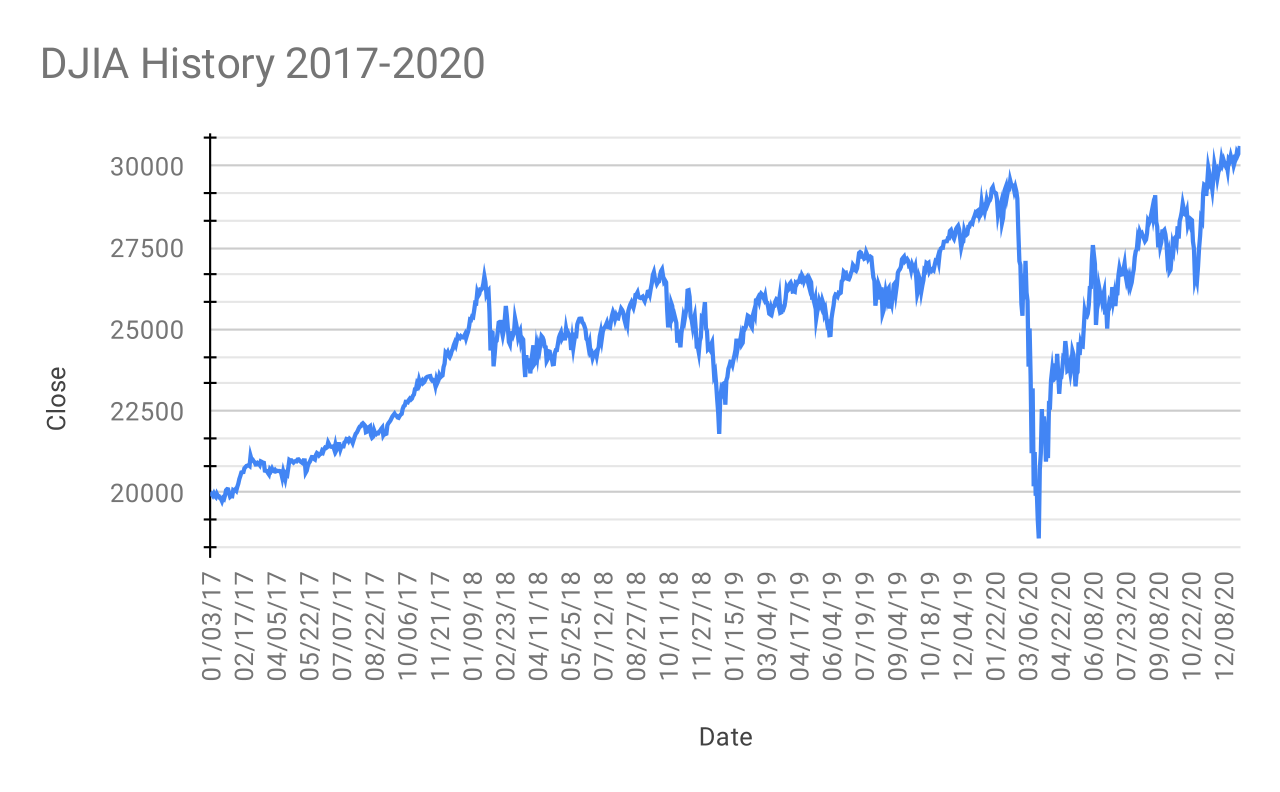
Global Markets Reel: Geopolitical Shocks Ignite a Stock Market Crash
The financial world is currently witnessing a stark reminder of its inherent vulnerabilities as global markets plunge into a rapid freefall. What began as simmering geopolitical tensions has escalated into a full-blown crisis, igniting a significant
stock market crash that is sending shockwaves from Tokyo to New York. The sudden surge in crude oil prices, fueled by conflict and production cuts, acts as the primary catalyst, exposing underlying market sensitivities and triggering widespread investor panic. This isn't merely a correction; it's a high-velocity downturn, characterized by fear, rapid selling, and the stark realization that unexpected global events can dismantle substantial value in mere days.
The Anatomy of a Market Meltdown: From Gradual Weakness to Sudden Shock
A
stock market crash is more than just a bad day on Wall Street; it's a dramatic and swift decline in the value of broad market indices, typically characterized by a drop of 10% or more over a short period. As Ernest Hemingway famously described bankruptcy, such market events happen "gradually and then suddenly." For weeks or months, unseen vulnerabilities, perhaps speculative excesses, mounting debt, or a weakening economic outlook, quietly accumulate. Then, an external trigger—a "shock to the system"—hits, and what was once a simmering concern transforms into a widespread panic.
Unlike regular market corrections, which are often orderly price adjustments, a crash is defined by its speed, intensity, and the pervasive fear that prompts investors to jettison assets en masse. It's rarely a single factor that causes such a seismic shift, but rather the convergence of multiple weaknesses exposed by an unexpected event. When the market shifts from optimism to widespread selling, a self-fulfilling spiral begins, where declining prices prompt further selling, creating a relentless downward trajectory. To understand the underlying mechanisms and historical context of such events, delving into the
Anatomy of a Stock Market Crash: Triggers, Phases, and Panic can provide crucial insights.
Geopolitical Tensions & The Oil Price Shock: A Perfect Storm
The current market turmoil provides a textbook example of how external shocks can trigger a
stock market crash. Recent geopolitical developments, particularly the escalating conflict in Iran, have become the primary immediate catalyst. As tensions mounted, fears of supply disruptions in a crucial oil-producing region sent energy markets into overdrive. Brent crude and West Texas Intermediate (WTI) prices saw their biggest jump in years, soaring from approximately $90 to $115 per barrel in a matter of days.
This drastic increase wasn't merely speculative; it was exacerbated by reports of key oil producers, including Kuwait, Qatar, Saudi Arabia, and the United Arab Emirates (UAE), slashing their production amidst ongoing Iranian attacks. The double whammy of reduced supply and heightened regional instability has created an "oil shock" with far-reaching implications.
The immediate impact has been visible across global equity markets. Dow Jones Index futures plunged over 1,100 points, signaling a difficult open for U.S. markets. Asian equities bore the brunt of the initial fallout, with Japan’s Nikkei 225 and South Korea’s Kospi declining by over 7%. Other major indices like Australia’s ASX 200, Germany’s DAX, and Hong Kong’s Hang Seng followed suit, recording significant losses.
Ripple Effects: Beyond Energy Markets
The ripple effects of soaring oil prices extend far beyond the energy sector. Higher crude costs translate directly into increased operational expenses for virtually every industry:
- Transportation: Airlines, shipping companies, and logistics providers face drastically higher fuel bills, impacting profitability and potentially leading to increased freight costs for consumers.
- Manufacturing: Industries reliant on petroleum-derived products or energy-intensive processes will see production costs surge, compressing margins or forcing price hikes.
- Consumer Spending: Higher gas prices at the pump directly reduce household discretionary income, leading to a slowdown in consumer spending across various sectors.
- Inflation: The oil shock contributes significantly to inflationary pressures, challenging central banks and potentially forcing them to tighten monetary policy further, which can dampen economic growth and corporate earnings.
This cascading effect creates a pervasive uncertainty that gnaws at investor confidence, making them wary of future corporate profits and economic stability.
The Psychology of Panic: Understanding Market Phases
Every historic
stock market crash follows a recognizable pattern, driven by a powerful psychological shift from confidence to panic. The reference context outlines three distinct phases:
- The Initial Shock and Sharp Decline: This is the immediate reaction to the catalyst, characterized by rapid price drops as the first wave of investors rush to exit.
- A Period of Intense Selling and Volatility: After the initial plunge, the market often experiences extreme fluctuations. Some investors, seeing "bargain" prices, attempt to buy, leading to temporary rallies. However, the overarching sentiment is still one of fear, with widespread selling continuing as more market participants, including institutional investors and individual shareholders, capitulate. This phase can feel like a "denial stage," where the market struggles to accept a prolonged downturn.
- A Bottom Formation Process: Eventually, the selling pressure subsides as most anxious traders have exited. The market then enters a period of stabilization, often lasting weeks or months, as it slowly finds its footing before any sustained recovery can begin.
The distinguishing factor of a crash, compared to regular market fluctuations, is its sheer velocity and severity. It's a rapid acceleration of fear, creating a self-fulfilling spiral where each wave of selling leads to lower prices, which in turn triggers more selling. For a deeper understanding of these market dynamics, explore how a
Stock Market Crash Explained: Velocity, Severity, and Selling Spirals impacts investor behavior.
Navigating the Storm: Practical Advice for Investors
While a
stock market crash can be terrifying, especially for long-term investors whose 401(k)s and retirement savings are affected, it's crucial to approach these periods with a strategic mindset rather than succumbing to panic. Here are practical tips for navigating such volatile times:
- Maintain a Long-Term Perspective: For most investors, particularly those saving for retirement, market crashes are temporary setbacks within a much longer investment horizon. History shows that markets eventually recover and reach new highs. Resist the urge to sell out of fear, as this often locks in losses.
- Diversify Your Portfolio: A well-diversified portfolio across different asset classes (stocks, bonds, real estate, commodities) and geographies can help cushion the blow during a downturn. While stocks may fall, other assets might provide some stability.
- Dollar-Cost Averaging: Continue investing a fixed amount regularly, regardless of market fluctuations. During a crash, this strategy allows you to buy more shares when prices are low, effectively lowering your average cost per share over time.
- Rebalance Strategically: A crash might push your asset allocation out of balance. This could be an opportune time to rebalance, selling some outperforming assets (if any) and buying into undervalued, quality assets that have fallen disproportionately.
- Ensure Adequate Cash Reserves: Having an emergency fund separate from your investment portfolio is vital. This prevents you from being forced to sell investments at a loss to cover unexpected expenses.
- Avoid Emotional Decisions: Panic selling is one of the biggest mistakes investors make during a crash. Base your decisions on your original investment plan and financial goals, not on daily market headlines or herd mentality.
- Consult a Financial Advisor: A professional advisor can help you assess your risk tolerance, re-evaluate your financial plan, and make informed decisions tailored to your specific situation during turbulent times.
Conclusion
The current global market freefall, driven by geopolitical shocks and soaring oil prices, serves as a stark reminder of the unpredictable nature of financial markets. A
stock market crash, while painful and unsettling, is an integral part of the economic cycle. Understanding its triggers, anatomy, and psychological underpinnings is crucial for investors. By maintaining a long-term perspective, practicing disciplined investing strategies, and avoiding emotional reactions, individuals can better navigate these tumultuous periods and emerge stronger on the other side. While the immediate outlook may seem grim, history teaches us that resilience, strategic planning, and patience remain the most valuable assets during a market storm.